Share
A weekly reckoning with our overheating​ planet—and the fight to save it
 ‌ ‌ ‌ ‌ ‌ ‌ ‌ ‌ ‌ ‌ ‌ ‌ ‌ ‌ ‌ ‌ ‌ ‌ ‌ ‌ ‌ ‌ ‌ ‌ ‌ ‌ ‌ ‌ ‌ ‌ ‌ ‌ ‌ ‌ ‌ ‌ ‌ ‌ ‌ ‌ ‌ ‌ ‌ ‌ ‌ ‌ ‌ ‌ ‌ ‌ ‌ ‌ ‌ ‌ ‌ ‌ ‌ ‌ ‌ ‌ ‌ ‌ ‌ ‌ ‌ ‌ ‌ ‌ ‌ ‌ ‌ ‌ ‌ ‌ ‌ ‌ ‌ ‌ ‌ ‌ ‌ ‌ ‌ ‌ ‌ ‌ ‌ ‌ ‌ ‌ ‌ ‌ ‌ ‌ ‌ ‌ ‌ ‌ ‌ ‌ ‌ ‌ ‌ ‌ ‌ ‌ ‌ ‌ ‌ ‌ ‌ ‌ ‌ ‌ ‌ ‌ ‌ ‌ ‌ ‌ ‌ ‌ ‌ ‌ ‌ ‌
A weekly reckoning with our overheating​ planet—and the fight to save it 

View in browser

Apocalypse Soon: A weekly reckoning with life in a warming world—and the fight to save it

A weekly reckoning with our 

overheating​ planet—and the fight to save it 


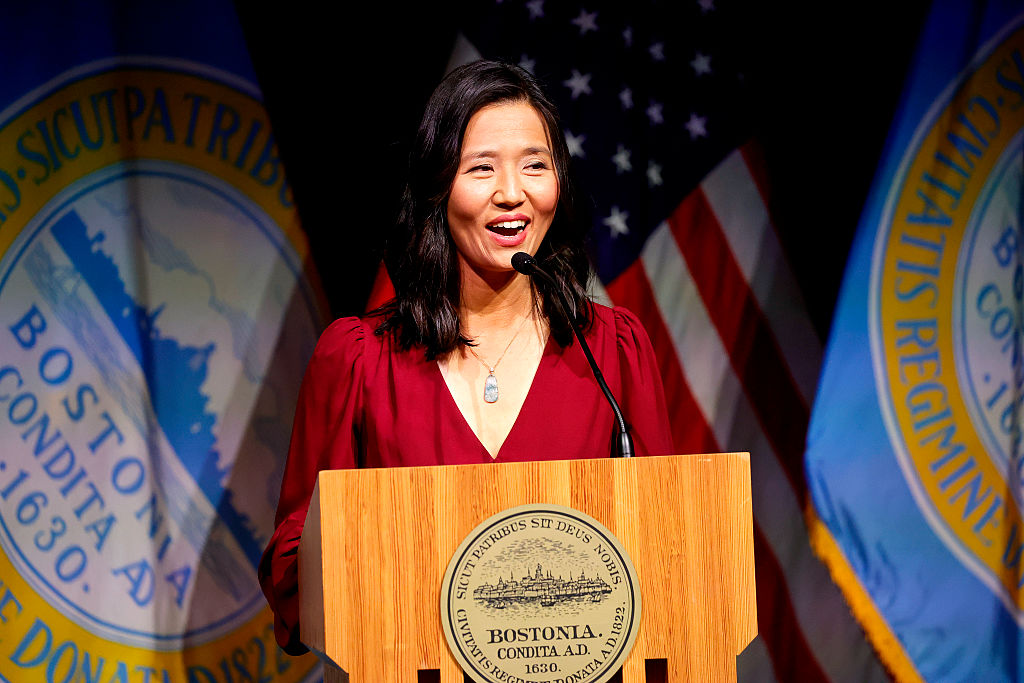
Boston Mayor Michelle Wu Boston Globe/Getty Images


All progressive eyes are on New York City this week, after democratic socialist Zohran Mamdani cruised to victory amid voter turnout not seen since the 1960s. New York City could now become a testing ground for left-wing policies including widespread rent control, free buses, universal childcare, public school rooftop solar, and public grocery stores. 


TNR writers have previously written about how significant some of these could be as a form of climate policy, reducing emissions while helping offset the costs (for example, with food prices) associated with rising temperatures. But Mamdani may yet face stiff headwinds on getting these policies implemented. And that’s why another, far less publicized result on Tuesday night is significant: 200 miles to the north, Boston Mayor Michelle Wu secured the City Council seats she needed to proceed with an ambitious vision for climate and housing policy.

The Supreme Court Ruling That Could Upend Trump’s Presidency

The court will hear arguments Wednesday in a challenge to the president’s tariffs. Will the conservative justices once again twist themselves in knots to give him what he wants?

By Matt Ford

Read now


As The Boston Globe’s Sabrina Shankman noted this summer, Wu initially seemed slow to implement her lofty Green New Deal campaign proposals. But free bus routes, net-zero requirements for new buildings, and a "very, very detailed" and aggressive climate plan released this summer reversed that impression. She then won the September preliminary election so definitively that her competitor dropped out and Wu ran uncontested on Tuesday—a stunning result given that her opponent was extremely well funded and business interests and particularly the real estate industry don’t like Wu. That kind of stuff often sinks politicians in this country.


The one obvious check on Wu going forward would have been if she lost allies in the City Council elections on Tuesday, thus depriving her of majority votes for her policies. Instead, one of her closest and reportedly most precarious allies, Henry Santana, fended off a challenge from former District 3 councillor Frank Baker, ultimately securing a decisive victory, despite facing an—I kid you not—10-to-1 campaign-coffer ratio in Baker’s favor as of August. Wu going all in supporting Santana seems to have made a difference.


It will be tempting for non–New Englanders to write this off, as they usually do, believing Massachusetts is so blue that nothing that happens there is relevant for politics elsewhere in the country. But progressive policies don’t always fly in Massachusetts, for the same reason they fail elsewhere. "Polls confirm that Bay State voters are resolutely progressive on a range of issues," Robert Kuttner wrote in The American Prospect in 2023. "But on policy, Massachusetts continues to lag far behind other Democratic trifecta states. If you unpack why this is the case, you appreciate that it isn’t only right-wing Republicans who undermine both democracy and popular faith in democracy. It’s also corporate Democrats in one-party states." At the wider state level, Kuttner argued, governors and legislators assiduously avoid pissing off the business lobby. 


Granted, Boston is well to the left of the wider state. But there’s also another reason Wu cementing power is significant: Climate policy needs testing grounds. 


This is why congestion pricing in NYC has been so closely watched by climate activists and so disproportionately attacked by the right, including President Trump, TNR’s Liza Featherstone argued in March. Not only do serious climate proposals—of which there are many, but precious few implemented in full—need pilot programs in American politics; in a world where the primary rhetorical attack on climate policies is that they’re unrealistic, expensive, and will make people’s day-to-day lives worse, successful ones offer proof of concept for cities, states, and countries everywhere. The right-wing obsession with congestion pricing is not an accident, Liza wrote, and it has implications far beyond even climate policy: "It’s important to them to stop this bold government solution to improve our lives because real solutions and positive experiences with government endanger the entire right-wing project."


Michelle Wu now has the council majority needed to proceed with testing more of these policies. And she has it because she and her allies are somehow winning the battle against business interests. Boston’s election results won’t get top billing this week. But ignoring them would be a mistake.

—Heather Souvaine Horn, deputy editor


Verdict Number One: America Has Big-Time Buyer’s Remorse About Trump

Elections are the one opportunity we have to see what the people think. And what they think is clear: Trump sucks.

By Michael Tomasky

Read now
 

Stat of the Week

This is the U.N.’s projection, released last week, on how much the Earth is expected to warm relative to preindustrial levels if we stay on our current trajectory. Most experts, as well as the Paris climate agreement, say warming needs to be limited to "well below" two degrees Celsius, and ideally 1.5, to manage risk. 


What I’m Reading

EU countries weaken 2040 climate plan in eleventh-hour deal

In a dampening result ahead of the UN COP30 climate conference in Brazil next week, the EU scaled back its climate plan to appease member states that wanted "to delay a landmark carbon pricing system and to allow governments to outsource emissions reductions to other countries." 


It’s a troubling sign, from the climate standpoint, that the impact of Trump’s presidency is starting to snowball abroad:

The EU has traditionally been among the most ambitious negotiators at COP, but with its climate agenda under pressure from both rightwing politicians and trading partners such as the US, campaigners fear that the weakened target will undermine its diplomatic arguments as it tries to keep other countries on board with reducing emissions sufficiently to avoid devastating climate events in future.

Financial Times | Alice Hancock


The Business Press Is in Denial About Trump’s UAE Bribe

As Microsoft sends AI chips to the United Arab Emirates, reporters are failing to explain exactly how it was made possible.

By Timothy Noah

Read now
 

 Update your personal preferences for _t.e.s.t_@example.com by clicking here


Our mailing address is:

The New Republic, 1 Union Sq W Fl 6 , NY , New York, NY 10003-3303, United States


Do you want to stop receiving all emails from ? 

Unsubscribe from this list. If you stopped getting TNR emails, update your profile to resume receiving them.


Email Marketing by ActiveCampaign
